Mountain Trekking Medical Support
Mountain trekking medical support covers daily health monitoring, first aid readiness, altitude sickness management, and emergency evacuation protocols
Among the offered Mountain Trekking Medical Support avaible includethe following
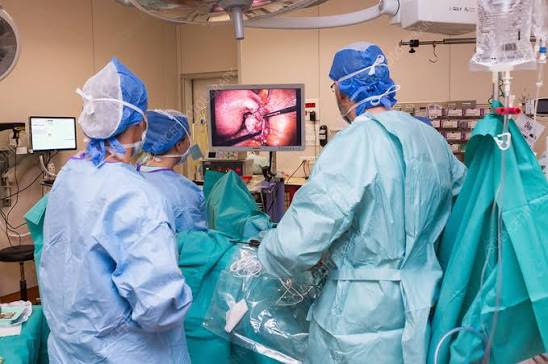
Mountain Trekking TanTrip Special: Including the combination of Medical Doctors, Specialized Medical list and Hyperbaric chamber to ensure that there is a reliable Mountain Trekking medical support services during the tourist trips
Mountain Trekking TanTrip Escort: A mountain trekking medical escort provides dedicated clinical supervision and urgent care response for hikers facing extreme physical exertion, injuries, or severe high-altitude illnesses
Mountain Trekking TanTrip First Aid: A mountain trekking first aid kit for multi-day expeditions (such as high-altitude climbs or remote trails) must balance essential trauma care, blister management, environmental protection, and altitude sickness treatments.
Core First Aid Categories
Wound Care & Trauma : Sterile gauze pads, rolled gauze, and elastic pressure bandages
Adhesive bandages (plasters) in various sizes and butterfly stitches
Antiseptic wipes, Betadine/povidone-iodine, and antibiotic ointment
Triangular bandage for slings or joint immobilization
Commercial tourniquet or heavy compression/Israeli bandage for severe hemorrhages
Blister & Foot Care (Most Common on Treks)
Hydrocolloid blister plasters (such as Compeed)
Moleskin or molefoam for pressure relief
Medical tape and safety pins
Medications & Altitude Support
Pain relievers and anti-inflammatories (ibuprofen, paracetamol/aspirin)
Anti-diarrheal medication (e.g., Imodium) and oral rehydration salts (ORS)
Antihistamines for allergic reactions
Altitude sickness medication (such as Acetazolamide/Diamox) and supplemental oxygen for high-altitude routes like Kilimanjaro or Rinjani
Environmental & Survival Gear
Emergency thermal/space blanket to prevent hypothermia
Water purification tablets or micro-filter
Sunscreen, lip balm, and insect repellent
Splint (such as a foam/SAM splint) for sprains and fractures
Blunt-tipped scissors, fine tweezers, and non-latex medical glove
Should You Get a Medical Check-Up Before Climbing Mount Kilimanjaro?
Preparing to climb Mount Kilimanjaro involves more than choosing your route, buying trekking equipment, and building your fitness. Your health is an equally important part of preparing for the journey. Standing at 5,895 metres (19,341 feet), Kilimanjaro presents challenges that are different from those of hiking at lower elevations. The reduced atmospheric pressure, long walking days, cold temperatures, and demanding terrain can place additional stress on your body.
At TanTrip Tours and Safari, we recommend consulting your doctor before your Kilimanjaro climb. A pre-climb medical assessment can help identify potential health concerns, review existing medical conditions, and determine whether you need additional preparation before travelling to Tanzania.
Even if you exercise regularly and consider yourself fit, good physical fitness does not automatically mean you are prepared for high altitude. A medical check-up is an opportunity to discuss your personal health, understand the risks, and prepare for your trek with greater confidence.
Why Is a Medical Check-Up Important Before Kilimanjaro?
Climbing Kilimanjaro is a multi-day physical challenge. Depending on your chosen route, you may spend several hours walking each day, often over uneven ground and steep terrain. As you gain altitude, your body must adapt to lower atmospheric pressure and reduced oxygen availability. This can affect how you feel, how well you sleep, and how your body responds to physical exertion.
A pre-climb medical assessment is particularly useful if you have an existing medical condition, a previous injury, or concerns about your ability to manage the demands of the trek. Your doctor may assess relevant aspects of your health, including:
Heart health: Whether existing cardiovascular conditions could affect your ability to exercise at high altitude
Respiratory health: Whether asthma or other breathing conditions are adequately controlled.
Blood pressure: Whether your blood pressure is appropriately managed before undertaking strenuous activity.
Previous injuries: Whether problems involving your knees, hips, ankles, back, or other joints could become more troublesome during long hiking days.
Regular medication: Whether your current medicines are suitable for the planned trek and whether any adjustments or additional precautions are necessary.
The assessment will depend on your medical history and individual circumstances. Not every climber needs the same tests, and your doctor can determine whether any further investigations are appropriate.
What Should You Tell Your Doctor Before Climbing Kilimanjaro?
When arranging your medical appointment, explain that you are planning a multi-day trek to an altitude of 5,895 metres. Your doctor should understand the physical demands of the climb and the fact that access to medical facilities may be limited while you are on the mountain.