Historical Sites
Historical Sites Safari
Tanzania destination is a place with diversity of cultures and great world historical discoveries.
The country has many things to explore and learn when we talk about local cultures and the great history of our nation. This country has a number of famous in the world historical sites that provides to the world clear insight into the past and helps the people to learn about the human history. Historical places gives people, a clear picture about our ancient cultures, primitive working tools like Stone tools, and our ancestors art work. You will find good example of the anciet art at the Rock Paintings of Kondoa Irangi Tanzania.
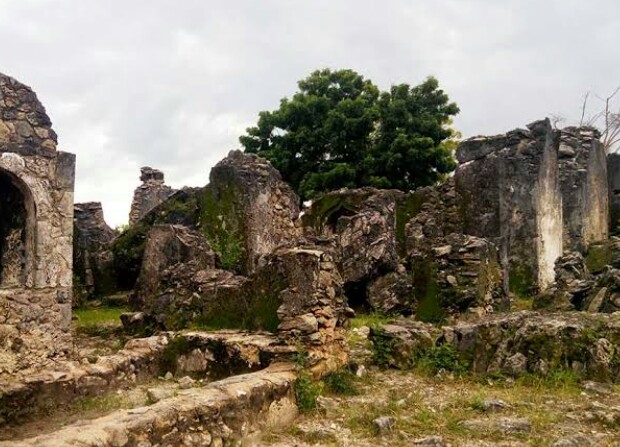
Apart from the famous Kondoa Irangi rock paintings, Tanzania has other attracting for historians as well as other visitors historical places. These include; Kaole ruins, Ismila Stone Age site, Engaruka ruins, Mikindani, Ngorongoro Conservation area, and many other sites within the country. The government of Tanzania is doing all it can to preserve and promote these sites for sustainable use.
Tanzania features a rich collection of historical and archaeological sites spanning early human evolution, medieval Indian Ocean trade, Swahili civilization, and the colonial era
Early Human History & Archaeology
Olduvai Gorge & Laetoli: Located in the Ngorongoro Conservation Area, Olduvai Gorge is known as the "Cradle of Mankind" with critical hominid fossils, while nearby Laetoli preserves ancient hominid footprints
Isimila Stone Age Site: Situated near Iringa, this site features extensive stone-age tools and striking sandstone pillars dating back roughly 100,000 years.
Engaruka: An ancient stone-terraced agricultural and irrigation ruin located near Lake Natron.
Historic Towns & Colonial Heritage
Stone Town (Zanzibar): A UNESCO World Heritage Site with winding alleys, coral-stone houses, Persian-domed mosques, and famous brass-studded Zanzibari doors reflecting Omani, Arab, Persian, Indian, and European influences. Highlights include the Old Fort, House of Wonders, and Mtoni Palace Ruins
Bagamoyo: A historic coastal port town that served as the penultimate stop for 19th-century ivory and slave caravans, later functioning as the first capital of German East Africa. Key sites include the Caravan Serai, the Old Fort, the German Boma, and the Catholic Museum.
Kilwa Kivinje & Mikindani: 19th-century Swahili and colonial coastal trading hubs in southern Tanzania.
National Museum of Tanzania: Located in Dar es Salaam, showcasing archaeological discoveries from Olduvai Gorge, ethnography, and regional colonial history.
The National Historical Sites was created by the colonial British Mandate in Tanganyika Territory in 1937 as the Monuments Preservation Ordinance of 1937. In 1957, it was handed over to the Ministry of Education as the Antiquities Division with the office based in Bagamoyo, Pwani Region. The Office was moved to Dar es Salaam in 1960. In 1964, four years after independence, the national assembly of Tanzania passed the Antiquities Act No.10 of 1964 replacing the Mounuments Preservation Ordinance of 1937.[2] The 1964 Act was amended in 1979 by the Antiquities Act No.22 of 1979, then that was replaced by the Objects Monuments Act No.13 of 1981.[3]
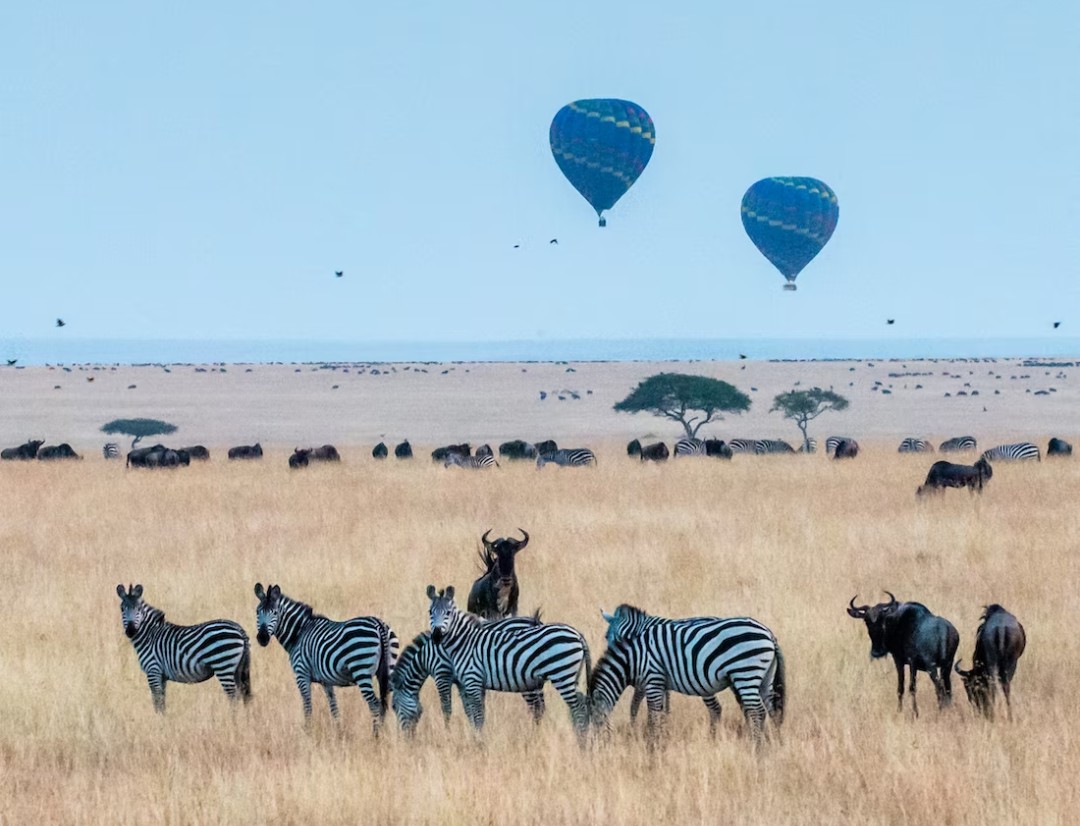
The Seronera Valley (Serengeti) The central nervous system of the Serengeti, Seronera offers the most reliable year-round game viewing due to the permanent waters of the Seronera River, which sustain resident lion prides and solitary leopards even after the migration moves on.
The Mara River Crossing (Serengeti) Located in the Northern Serengeti, this is the stage for the most dramatic episodes of the Great Migration. Visitors witness the frenzied crossing of wildebeest braving massive Nile crocodiles, a phenomenon usually occurring between July and October.
The Grumeti River (Serengeti) Part of the Western Corridor, the Grumeti is famous for its gallery forests and the “rutting” season of the wildebeest. It hosts some of the largest crocodiles in Africa and offers a distinct, riverine game experience.
Moru Kopjes (Serengeti) These granite inselbergs rise from the black cotton soil plains, providing shade and water. They are the premier location for spotting the elusive black rhinoceros and feature ancient Maasai rock art.
Napuru Waterfalls (Arusha) Located on the slopes of Mount Meru near the Themi River, this waterfall offers a scenic day hike through local villages and agricultural land.